How to Create a Simple “Waiting On” List So Follow-Ups Stop Slipping
A practical system for tracking replies, refunds, appointments, borrowed items, approvals, and anything else you are waiting for without turning it into a complicated task manager.
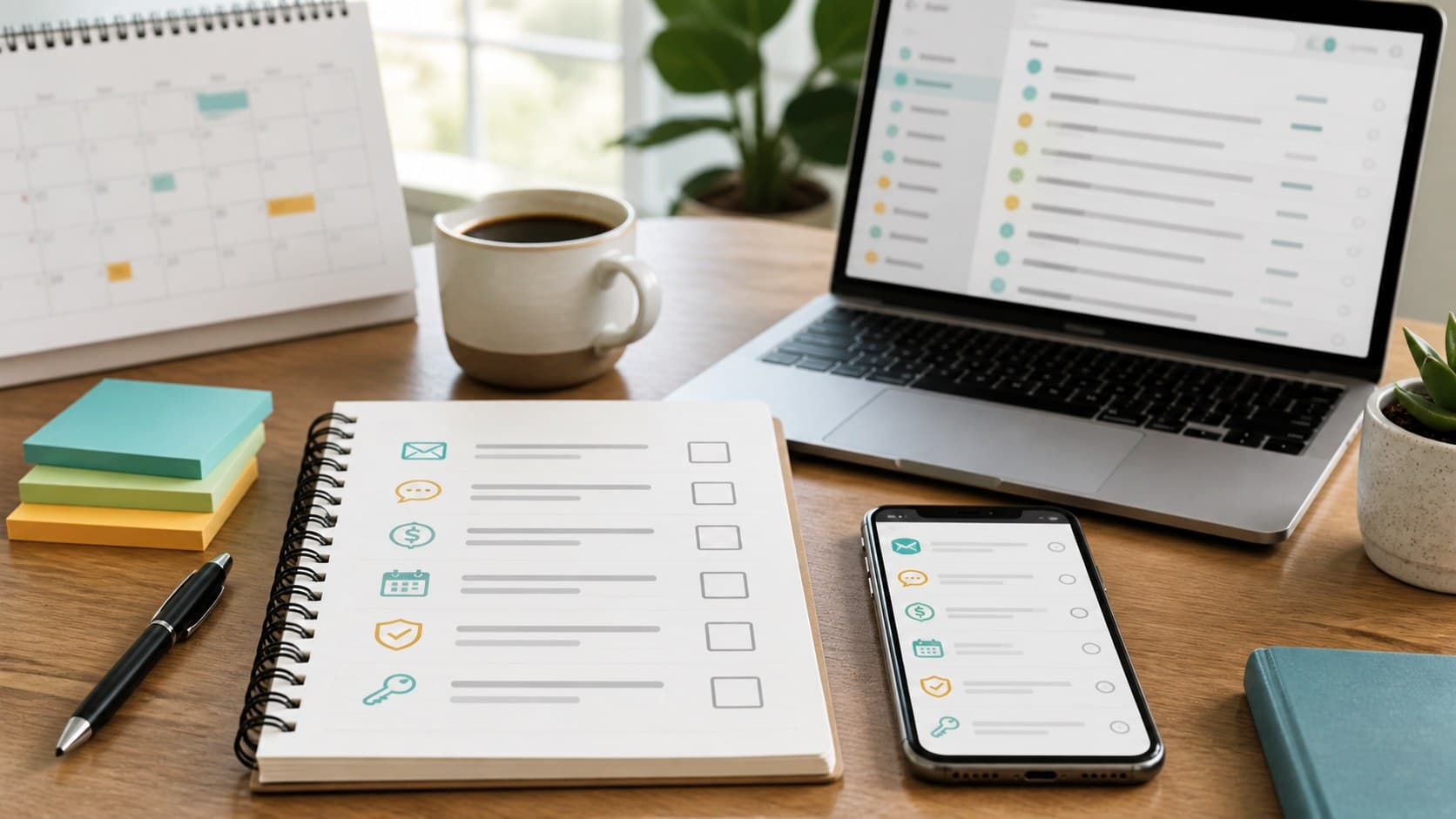
Before you open another app, write these three headings somewhere simple: who, what, and next check date.
That is the heart of a “waiting on” list. It is not a full planner, project board, or productivity makeover. It is one small place for everything that is currently outside your control but still matters to you.
A refund. A reply from a client. A borrowed charger. A doctor’s appointment confirmation. A delivery issue. A school form. A landlord repair request.
These are easy to forget because they are not exactly tasks anymore. You already sent the email, made the call, submitted the form, or asked the question. Now the ball is somewhere else.
A waiting on list gives those loose ends a place to sit until they come back.
What Goes on a Waiting On List
Add anything that needs a response, return, confirmation, payment, delivery, decision, or update from someone else.
Good examples include: - A refund request you submitted - A package replacement from customer support - A message you sent to a contractor - A document you need from school or work - A borrowed item someone said they would return - An appointment time that has not been confirmed - A payment, approval, or signature you are waiting for
Skip things you can already do yourself today. Those belong on your normal task list.
The test is simple: if your next move is mostly “check back later,” it belongs here.
Pick One Place for the List
The tool matters less than consistency. Use the place you will actually check.
A notes app works. So does Google Keep, Apple Notes, Notion, Todoist, a paper notebook, or a plain spreadsheet. If you already live in Gmail, you can even keep a pinned note called “Waiting On.”
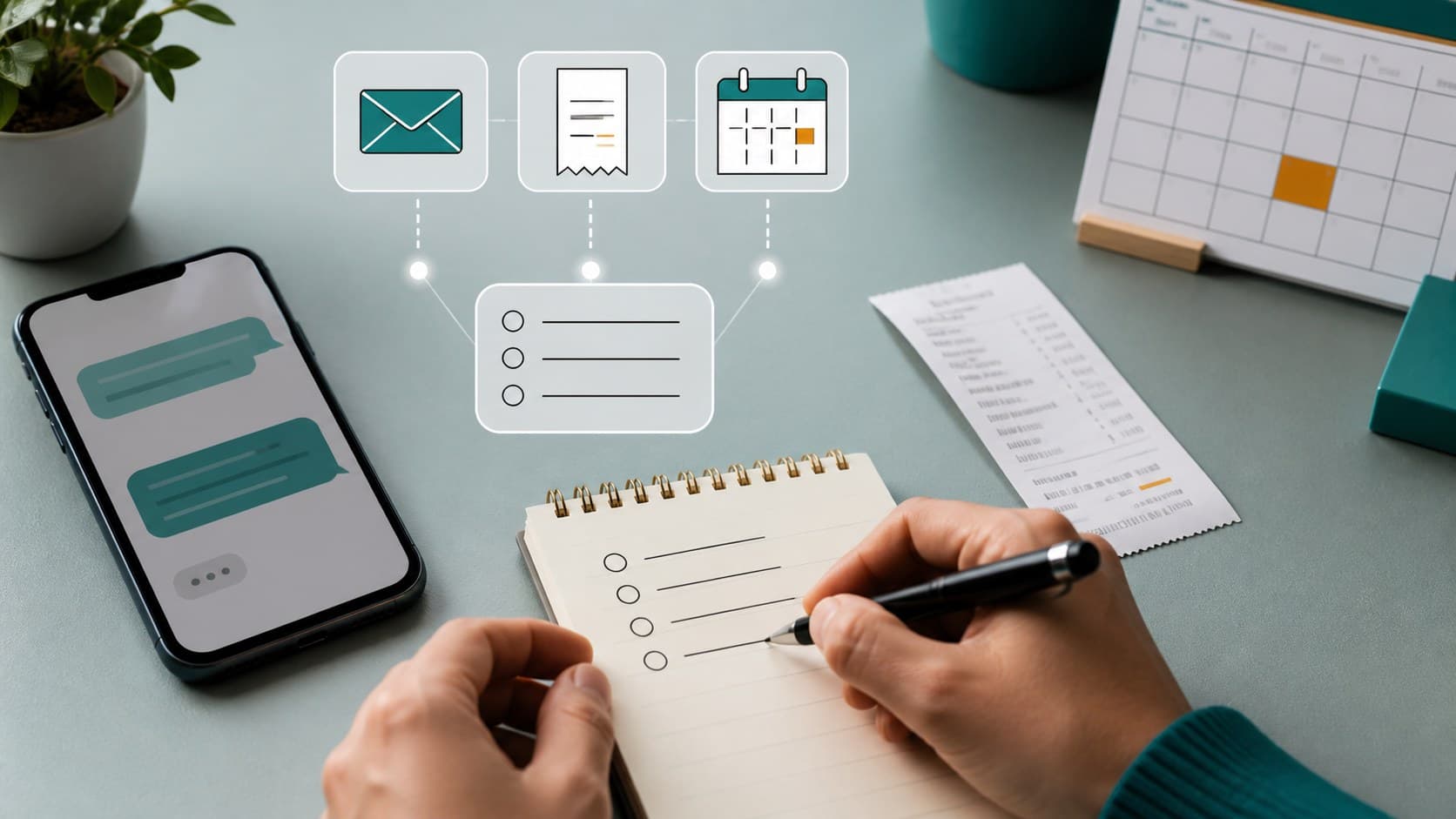
Keep the format boring:
| Field | Example |
|---|---|
| Who | Apartment office |
| What | Repair request for kitchen sink |
| Date sent | Aug 12 |
| Next check | Aug 16 |
| Status | Waiting for reply |
That is enough. Adding ten columns usually makes the system feel heavier than the problem.
One concrete example: if you returned a $43 phone case and the store said refunds take five business days, your line might say, “Store refund, $43 phone case, requested Aug 9, check Aug 16.” That tiny detail saves you from digging through receipts later.
Capture It Immediately
The best time to add an item is right after you send the email, submit the form, or finish the call.
Do not wait until the end of the day. That is when small details blur.
Use short entries. You are not writing a report. Try this style: - “Dentist office, confirm Tuesday appointment, check Friday” - “Sam, borrowed USB-C hub, ask again next week” - “Internet provider, bill credit request, check Aug 18” - “Client invoice approval, sent PDF, check Thursday”
If the item has proof, attach or note where it lives. For example: “receipt in email,” “screenshot in Photos,” or “case number saved in inbox.”
That one note can prevent a fifteen-minute search later.
Set a Review Rhythm
A waiting on list only works if you look at it.
Pick two review times per week. Monday and Thursday are useful because they create a natural follow-up rhythm without making you check every day.
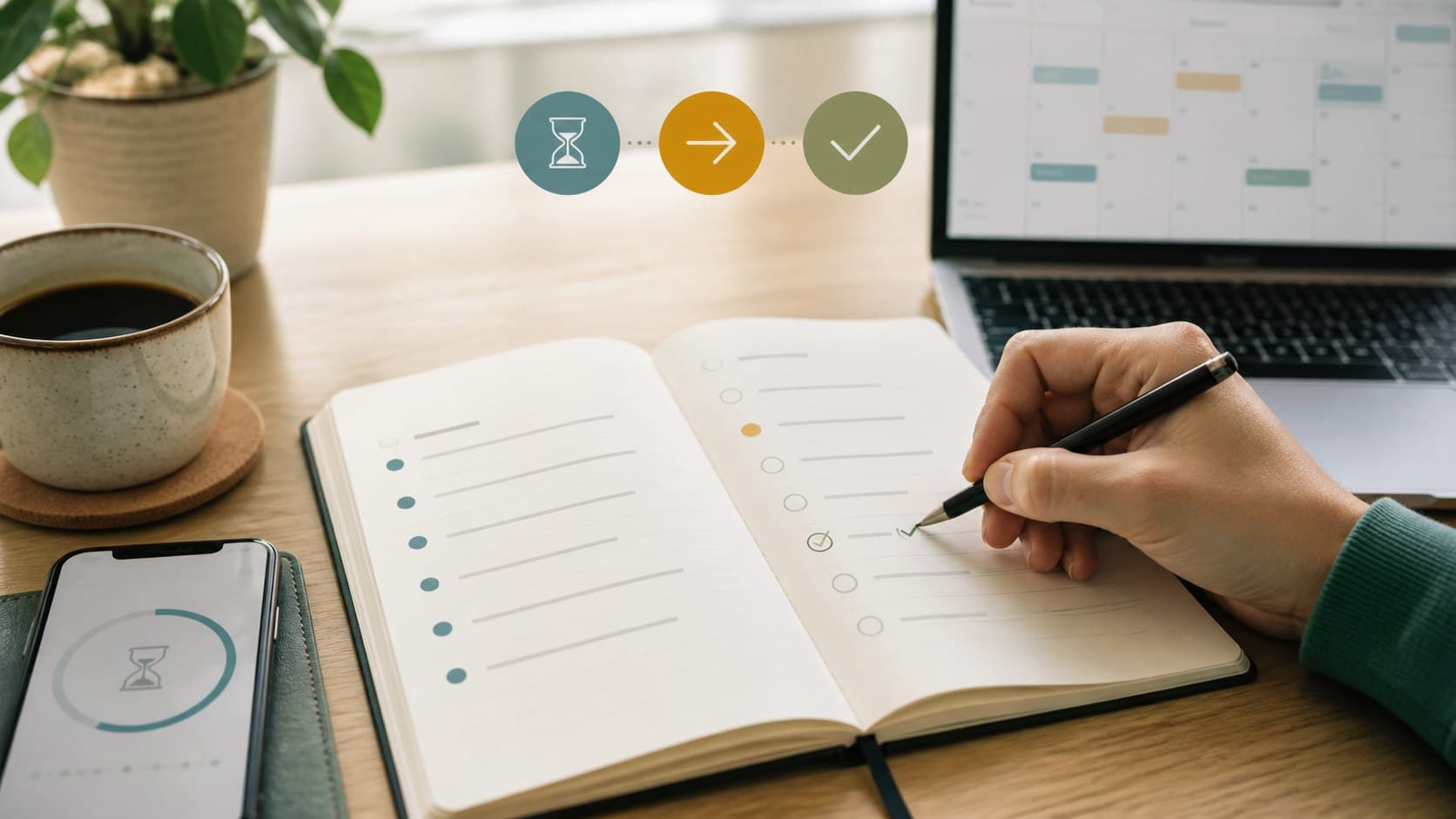
During review, scan each item and choose one of three moves:
Wait: The follow-up date has not arrived yet.
Nudge: Send a short reminder.
Close: The reply arrived, the item came back, or the issue is done.
This review can take under ten minutes if the list is clean. If it takes longer, your entries may be too detailed or you may be mixing regular tasks into the list.
Write Follow-Ups That Are Easy to Answer
The point of a follow-up is not to sound annoyed. It is to make the next step obvious.
Use a calm template:
“Hi, I’m checking on [specific item]. I sent/requested it on [date]. Could you let me know the current status or the next step? Thanks.”
For a refund:
“Hi, I’m checking on the refund request for order #[number]. It was submitted on Aug 9. Could you confirm whether it has been processed?”
For a borrowed item:
“Hey, quick reminder about the USB-C hub from last week. Could you bring it tomorrow or let me know another good time?”
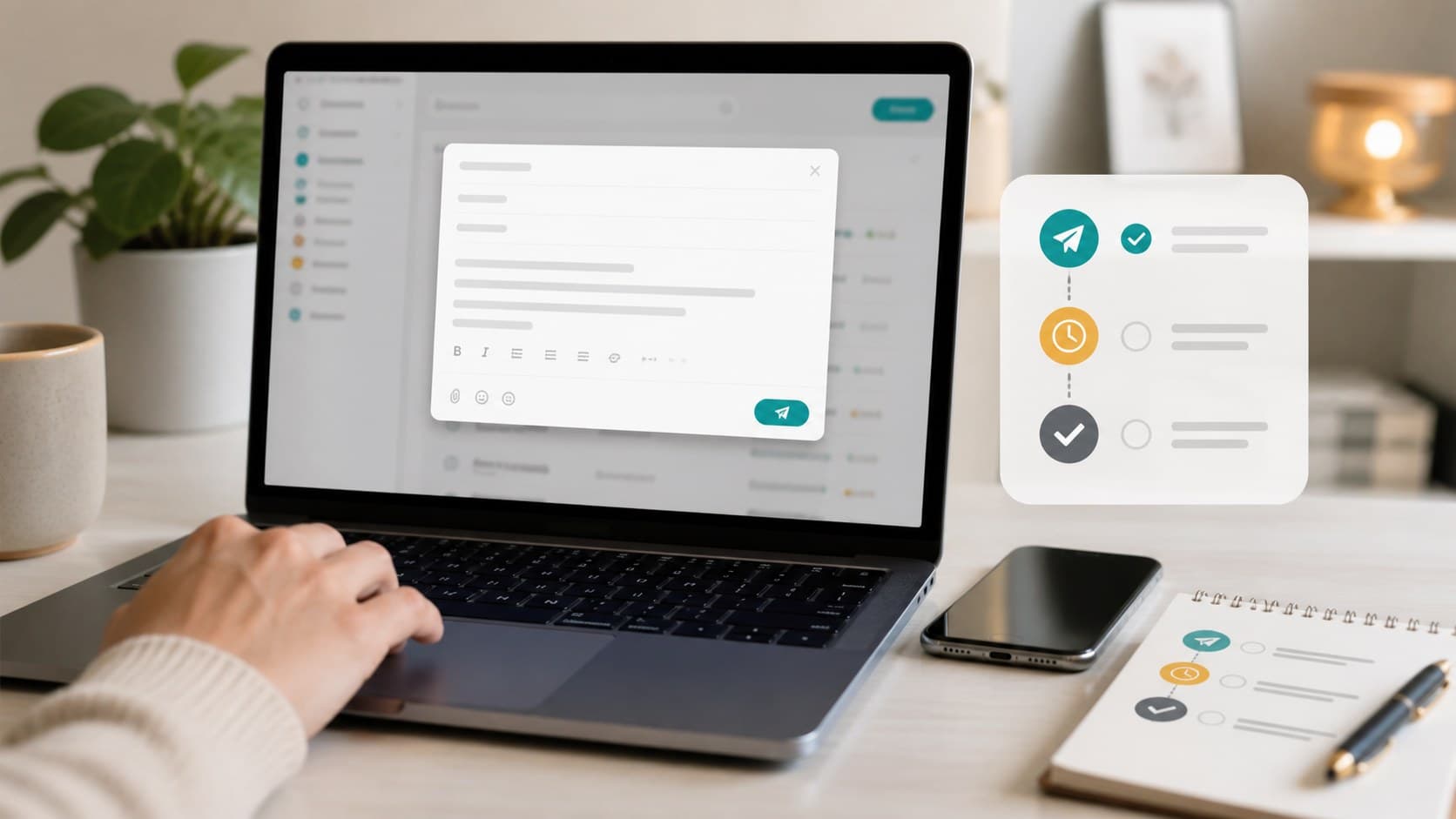
Short is better. The easier your message is to answer, the more likely it gets handled.
Keep the List Clean
Once something is resolved, move it out of the active list.
You can delete it, check it off, or move it to a small “done” section. If it involves money, repairs, legal documents, school records, or work approvals, keep a short record until you are sure you will not need it again.
Do not let completed items sit there forever. A waiting on list should feel like a dashboard, not an archive.
If an item has been waiting too long, change the next action. Instead of “wait,” it may become “call,” “visit office,” “ask a different person,” or “cancel and choose another option.”
A Simple Weekly Habit
Here is the easiest version:
Add items as soon as you send or request them. Give each one a next check date. Review the list twice a week. Send short follow-ups. Close finished items quickly.
That is it.
The quiet benefit is mental space. Your brain stops carrying half-remembered loose ends because the list is doing that job for you.
Start with five current items today, and by next week your follow-ups will feel far less random.
Found this useful?
Send it to someone who should read it.